How to run a software subscription audit your board will read
Most organizations underestimate their software count. A charge-level audit fixes that in a few weeks and pays for itself at the next renewal.
Software spend hides in plain sight. It sits on corporate cards, in expense reports and on invoices coded to five different departments. Ask a leadership team how many tools the company pays for and the guess is usually low by a wide margin.
Work from charges, not from a list of apps
Start with twelve months of card statements, AP history and expense reports. Pull every recurring charge, then name the tool, the owner, the department, the billing cycle and the renewal date. A list of apps people remember will miss the tools nobody uses.
Sort into four buckets
- Keep: core systems with clear owners and real usage.
- Consolidate: two or more tools doing the same job.
- Renegotiate: tools you need, priced above market or on the wrong tier.
- Cancel: no owner, no usage, or replaced long ago.
Give the board three things
A short deck, a waterfall from current spend to target spend, and a one-page memo. Then close the loop with a policy: no new subscription without an approval request that names the owner, the budget line and what it replaces.
The audit is a one-time project. The approval policy is what keeps the number from creeping back.
Should your brand sell on Amazon? A go/no-go checklist
Amazon can add reach, or it can undercut your own store and events. Score these questions before you list a single product.
For a brand with its own web store, retail partners or event sales, Amazon is a channel decision with real downside. Answer these before you commit.
Brand and pricing
- Can you hold a consistent price across Amazon, your store and your other channels?
- Do you have the trademarks registered to enroll in Brand Registry and act on counterfeits?
- Is there unauthorized product already listed under your name?
Operations
- Will you use FBA, ship yourself, or split by product line?
- Can your supplier hit Amazon's packaging and labeling requirements?
- Who owns listings, reviews and customer messages every week?
Economics
- What is margin per unit after referral fees, fulfillment and storage?
- How much advertising will a new listing need to rank?
- Which products are you willing to sell only in your own channels?
If most answers are clear, launch in phases: a small set of evergreen items first, then expand by sell-through. If they aren't, fix the gaps in your own channels first.
What to ask before replacing your payment processor
Businesses outgrow processors quietly. These requirements separate a better rate from a better system.
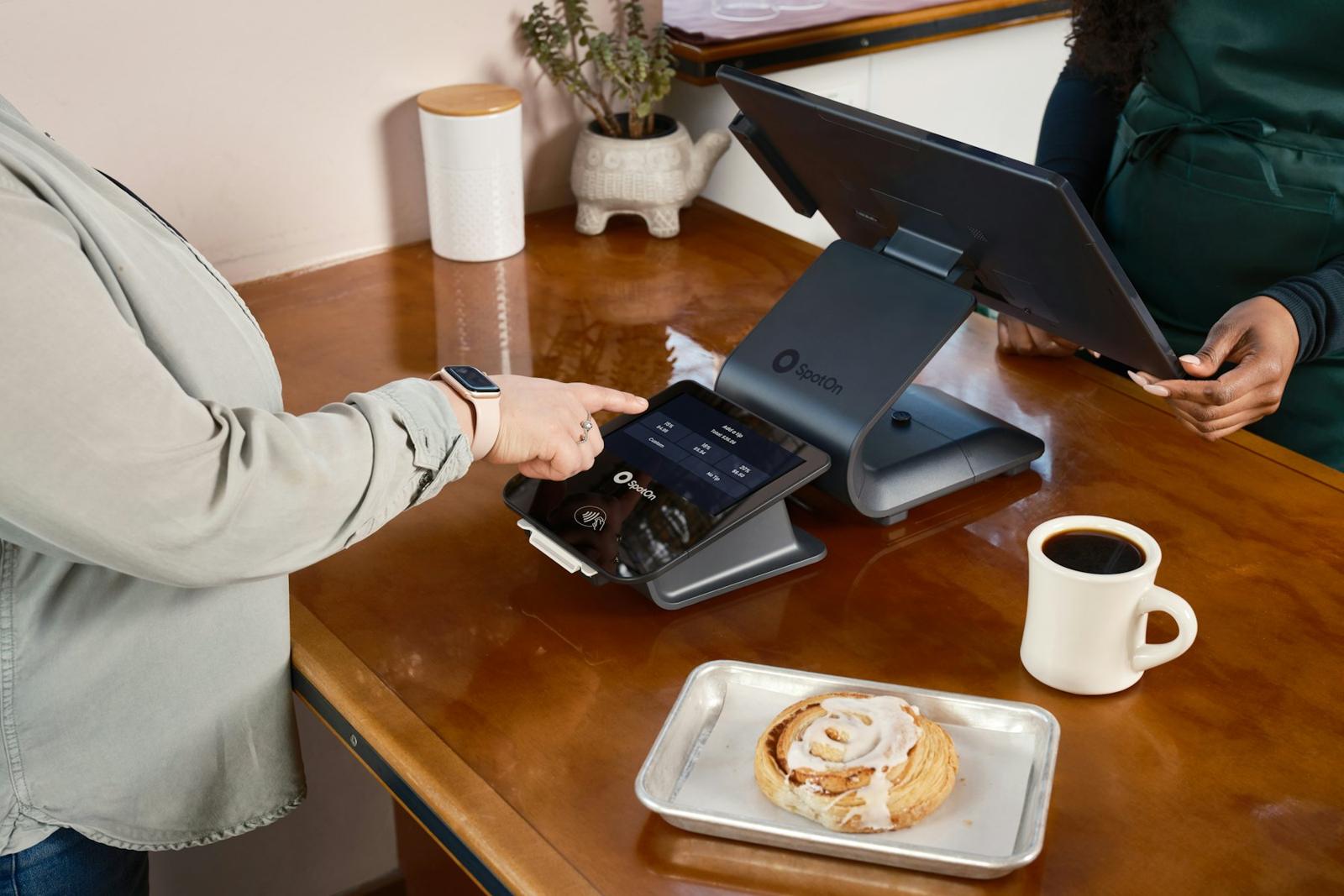
A payment platform change is usually framed as a rate negotiation. For any business taking registrations, memberships or onsite payments, it's a systems project, and the rate is only one line in the scorecard.
Requirements to write down first
- Wallets: Apple Pay and Google Pay online and in person.
- Flexible payments: installments and deposits for large orders.
- Subscriptions: recurring billing for memberships and services.
- Discounts: a real discount engine with codes, group pricing and bundles.
- APIs: clean integration with your registration, POS and accounting systems.
- Reconciliation: payouts that match orders without spreadsheet work.
Questions for every vendor
- What is the all-in effective rate on our actual transaction mix?
- How are chargebacks handled, and what do they cost?
- What does migration look like for saved cards and active subscriptions?
- Who supports us on a Saturday morning at our busiest hour?
Score each vendor against the requirements, then negotiate rate with the finalists. The cheapest processor that forces manual reconciliation is the expensive one.